Design Museum Brussels
Every day, from 11 am to 7 pm
Place de Belgique
1020 Brussels
As part of the Constellation programme unfolding throughout Centre Pompidou’s renovation period, the Design Museum Brussels is co-organising, together with the Paris institution, an exhibition dedicated to children’s furniture. In doing so, it enriches a narrative initiated by the Musée National d’Art Moderne from its own design collection, highlighting the Belgian contribution, its role in shaping reflections on society and the environment, and its resonances with major international narratives.
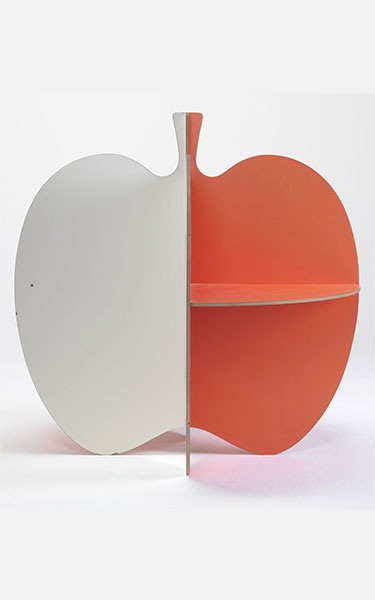
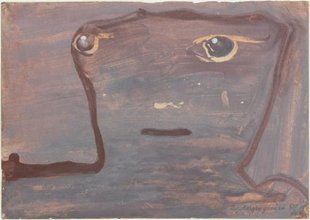
© droits réservé. Photo : Centre Pompidou, MNAM-CCI/Hélène Mauri/Dist. GrandPalaisRmn
Designing Childhood
Une histoire du design pour les enfants
1st April – 20 September 2026
As a testing ground for new materials and production processes, children’s furniture has left its mark on the history of 20th-century design. It embodies the ambitions, social changes and technological advances of its era. Gradually recognised as individuals in their own right, children are no longer seen as ‘little adults’ and have carved out a specific place for themselves in the home, society and the market. Many designers embraced this field and found children’s furniture to be a privileged field for experimentation.



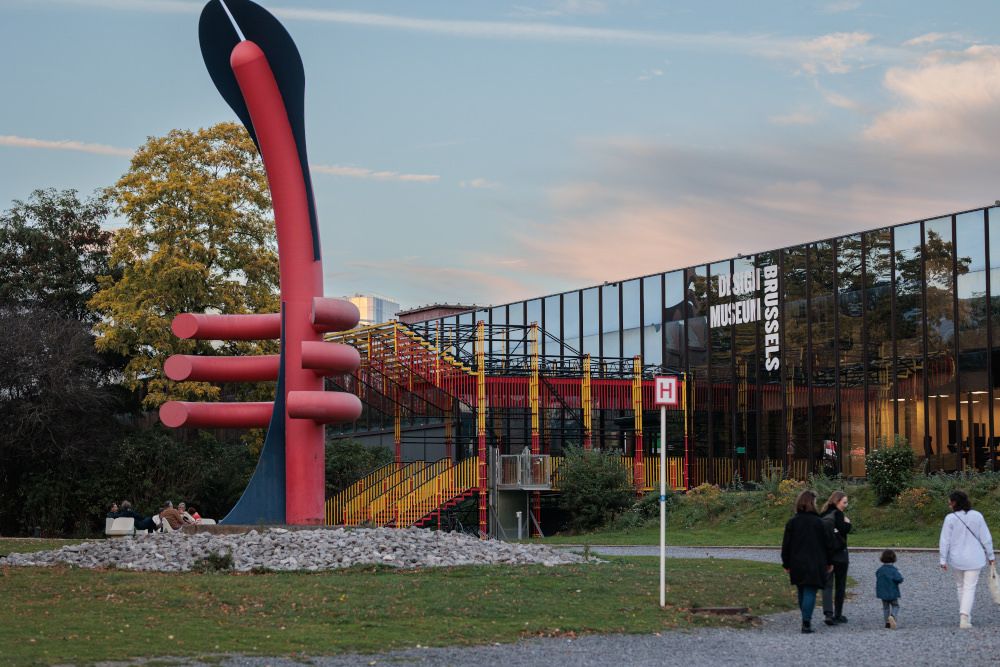
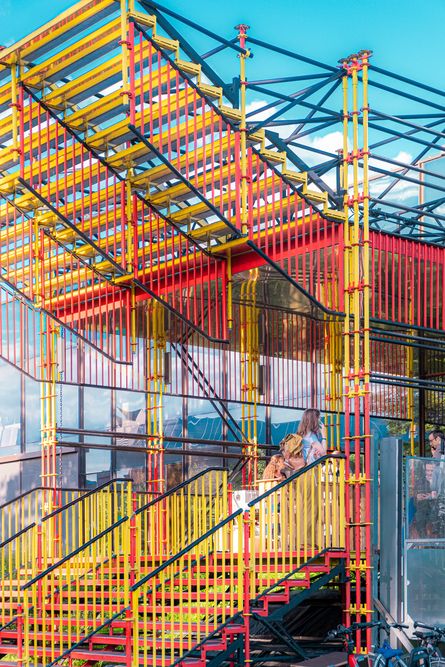
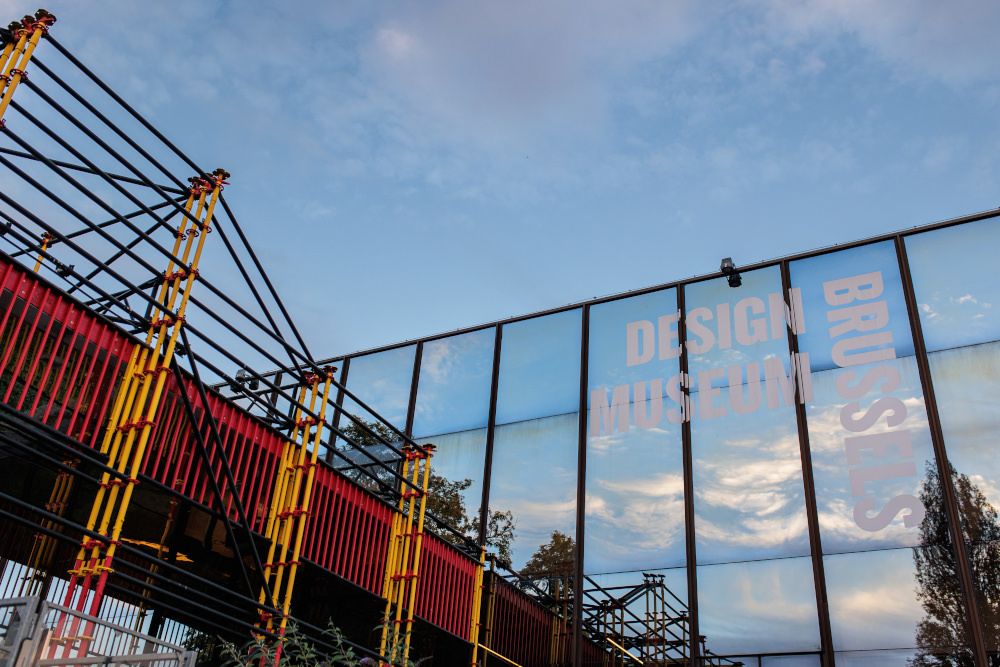
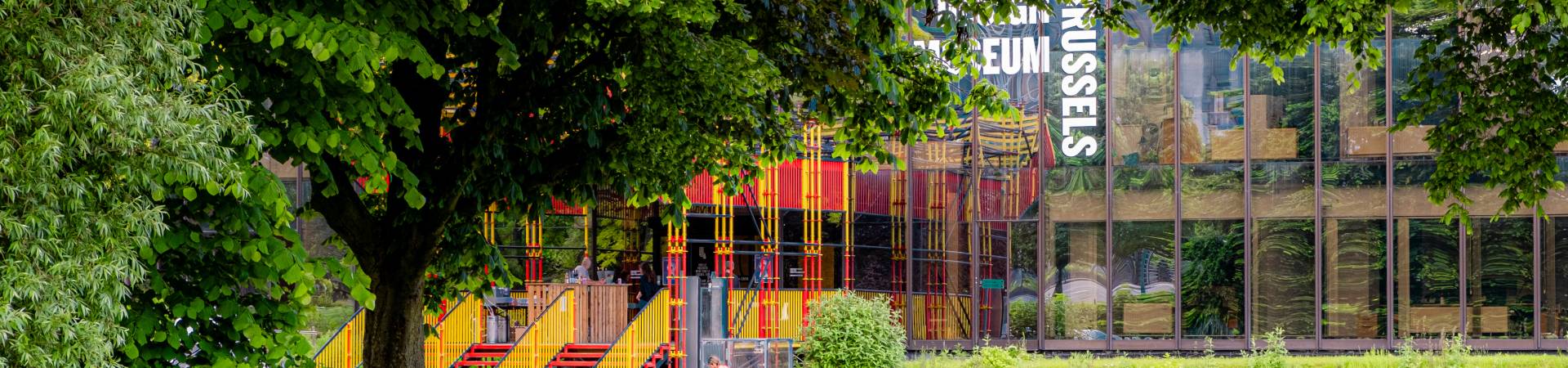
The Design Museum Brussels, a museum project initiated and developed by the Atomium, is a space dedicated to design from the 20th century to the present day and to its evolution. More than just a formal, aesthetic, and functional object, design is presented here as a witness to the economic, social, ideological, cultural, and technical dynamics of its time.
Since 2015, the Plastic Design Collection has explored the use of plastic in design, from the mid-1950s to the present. This emblematic collection offers a key to understanding the creative and technical landscape of the second half of the 20th century. In September 2020, the museum inaugurated belgisch design belge, a permanent exhibition space dedicated to Belgian design, highlighting its richness, diversity, and uniqueness.
Beyond its collections, the Design Museum Brussels aims to be a living platform for reflection and exchange. Its temporary exhibitions, along with its cultural and educational programming, express a desire to promote a transversal, inclusive, and accessible approach, crossing disciplines and perspectives. In doing so, the museum traces the cultural and technical story of the objects that have shaped our daily environments, revealing how these creations reflect the evolution of our lifestyles, values, and know-how.
From this perspective, the museum accompanies the major transitions of our time by questioning the role of design. As a place of awareness and education, it contributes to the development of critical thinking and to bringing design closer to society. It is also committed to archiving knowledge, preserving and transmitting the material and immaterial heritage of design, thereby enriching its understanding for present and future generations. By combining heritage and innovation, memory and foresight, the Design Museum Brussels asserts its mission: to make design a tool for interpreting the world and a lever for change.