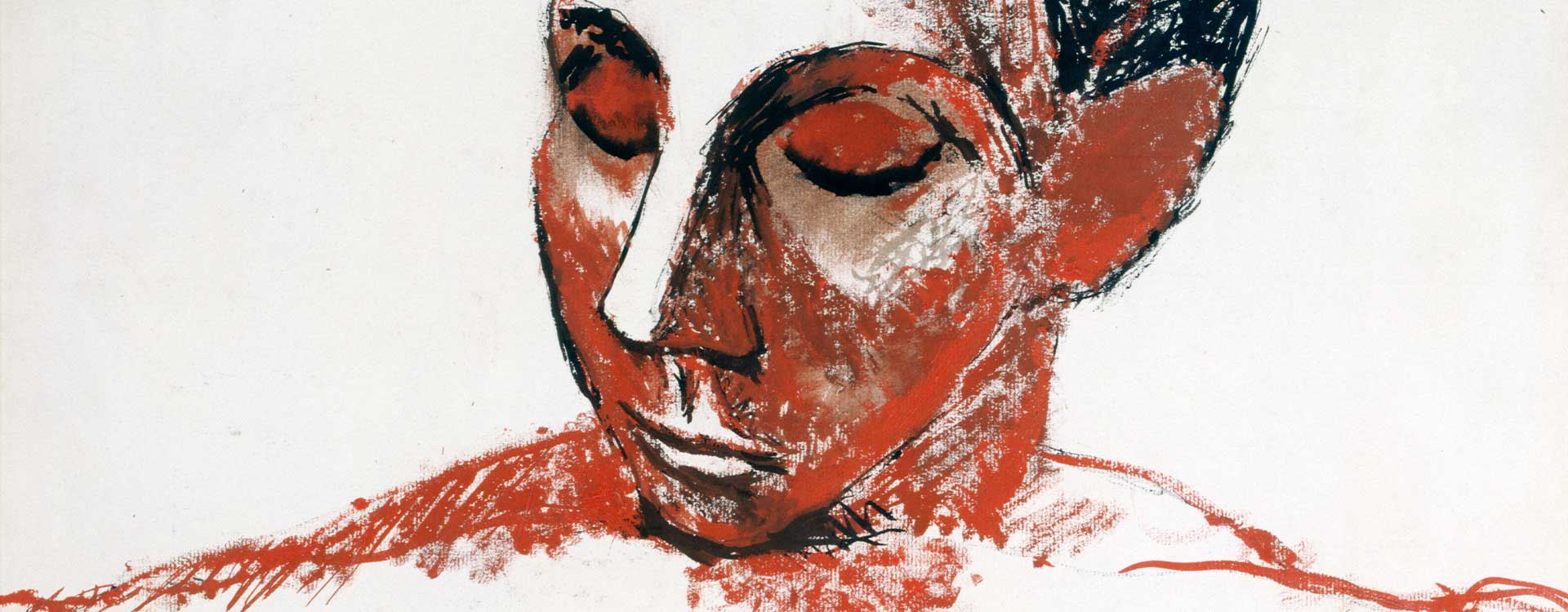
« Dessins sans limite », A Laboratory of Possibilities
Long relegated to the status of mere preparatory work, drawing gradually freed itself from academic conventions throughout the 20th century to become a true laboratory for experimentation. Artists explored alternative techniques—collage, cut-outs, imprinting—and pushed beyond the boundaries of the page, incorporating photography, film, digital imagery and installation. A universal gesture, drawing captures the memory of a moment, tells both personal and collective histories, and unfolds over time—from fleeting sketches to animated lines, from the rigour of calligraphy to the spontaneity of performance.
Eschewing chronological order, the exhibition offers a journey where works engage in dialogue across four thematic axes: studying, narrating, tracing and animating.
Since the Renaissance, drawing has served as a means of learning and analysis—allowing artists to train, to explore form, space and movement, while also deepening their conceptual thinking. From Henri Matisse to Amedeo Modigliani and Vassily Kandinsky, it has remained an essential preparatory stage. In the performing arts, models and sketches give tangible form to creative intent: Marc Chagall and Léon Bakst, for example, used them to present their set and costume designs.
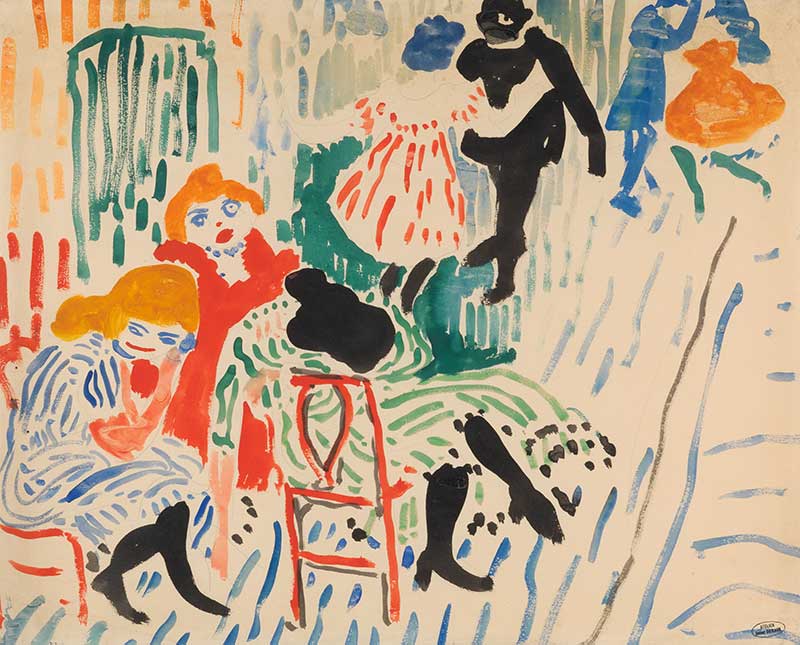
But drawing is also a narrative tool. Its immediacy makes it particularly suited to capturing everyday life or unveiling the unseen: metro passengers in Jean Dubuffet’s work, social marginality in that of Georges Rouault or Auguste Chabaud. From the satires of George Grosz to the animations of William Kentridge, it bears witness to and denounces historical realities. Rooted in the present, it also opens up a space for introspection, as in the work of Marlene Dumas, who explores the tensions between identity and society.
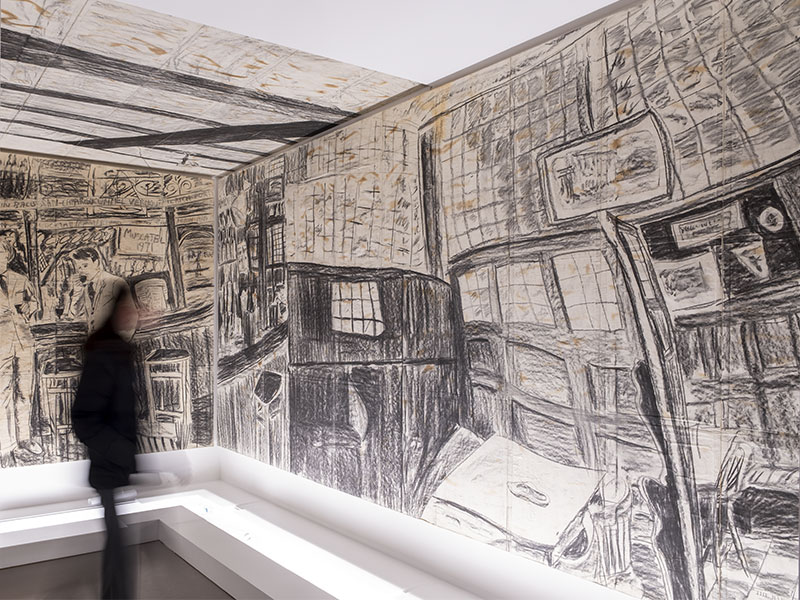

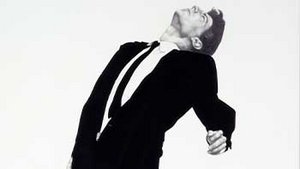
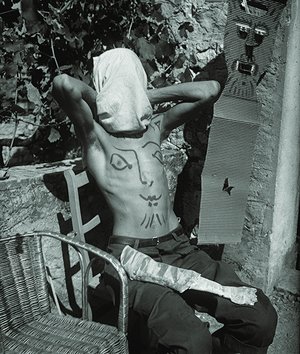
In the 20th century, drawing became a trace—not a transcription, but an imprint, the movement of the body. The graphic act engaged physical materiality, as seen in the work of Robert Morris or Giuseppe Penone, and intersected with writing—not as language, but as pure gesture. From East Asian calligraphy to Roland Barthes, Brion Gysin and Mark Tobey, writing becomes image, the sign becomes drawing. With Trisha Brown, Carolee Schneemann and Robin Rhode, it is the body itself, in its relation to space, that becomes drawing, giving it a performative dimension.
In the 20th century, drawing became a trace—not a transcription, but an imprint, the movement of the body.
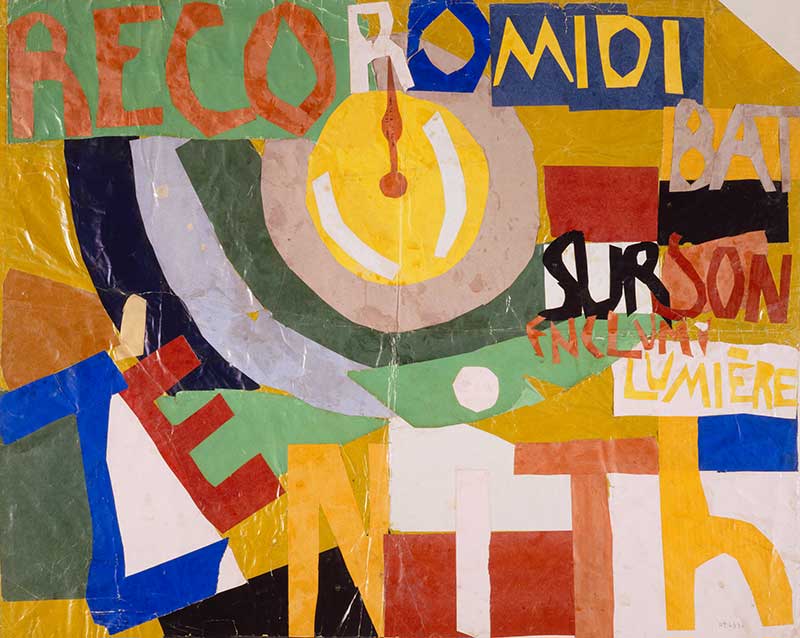
As drawing is essentially a trajectory through space before it is a form, it established itself from the early 20th century as an ideal medium for expressing duration. From the Cubist collages of Pablo Picasso and Georges Braque to the optical investigations of Marcel Duchamp, from László Moholy-Nagy to François Morellet, Sol LeWitt or Agnes Martin, drawing became a space of experimentation for translating rhythm, energy and time. It aligned with the cinematic medium—through Vicking Eggeling’s geometric rhythms, Len Lye’s direct work on film, or the metamorphic fluidity of Robert Breer’s animated line.
Through this diversity of approaches and mediums, “Drawings Without Limits” invites us to rediscover an art form that is both elemental and astonishingly rich. A universal gesture—one of the earliest modes of expression and learning in childhood—drawing transcends cultures and eras. From preparatory studies to contemporary installations, from the most intimate lines to monumental compositions and animated drawings, it emerges as an ever-evolving terrain that continues to fuel artistic creativity and challenge the way we see the world. ◼
Related articles

In the calendar
Pablo Picasso, Femme à la tête rouge, 1906 - 1907
Gouache, fusain et encre sur papier, 63 × 48 cm
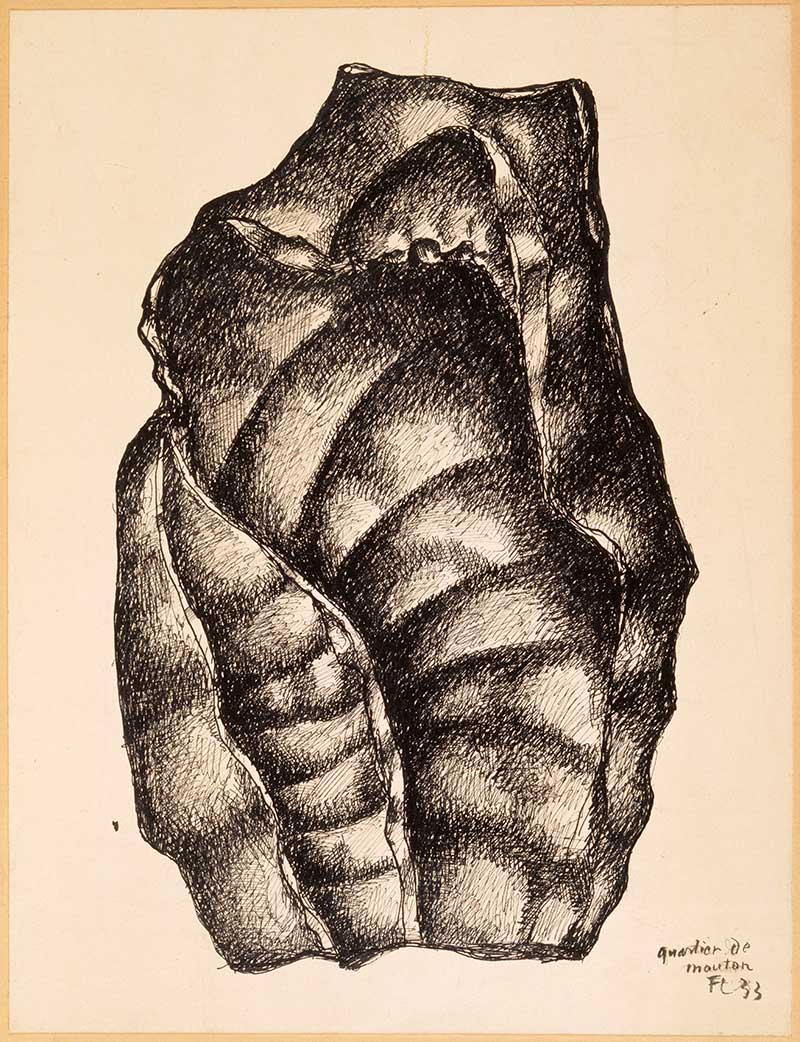
Fernand Léger, Quartier de mouton,1933
Encre de Chine sur papier 40 × 30,5 cm
Gilbert & George, The Bar n° 1 (Le bar n° 1), 1972
Fusain sur papier 220 × 500 × 350 cm (5 panneaux de dimensions variables)
André Derain, Les Filles,1905-1906
Aquarelle, encre de Chine et mine graphite sur papier
42,5 × 53,5 cm
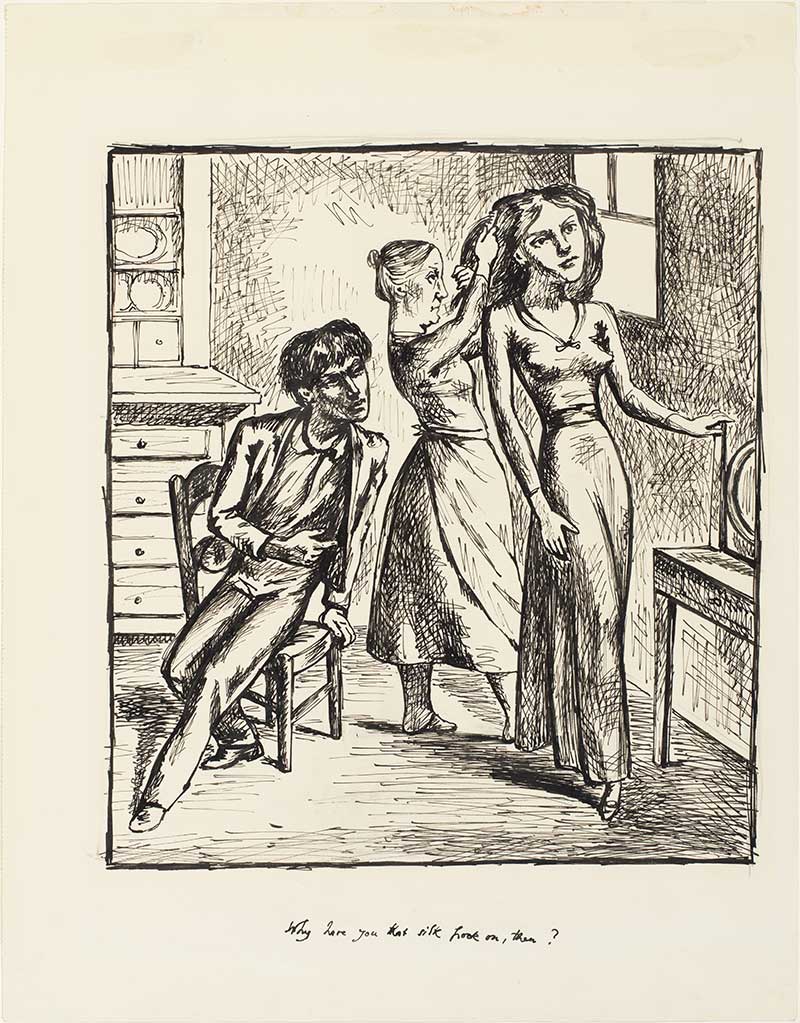
Balthus (Balthasar Klossowski de Rola, dit), Illustrations pour Les Hauts de Hurlevent « Why have you this silk frock on, then? » (« Alors pourquoi as-tu cette robe de soie ? »), 1933 - 1935
Encre de Chine, encre et mine graphite sur papier, 39,9 × 31,2 cm,
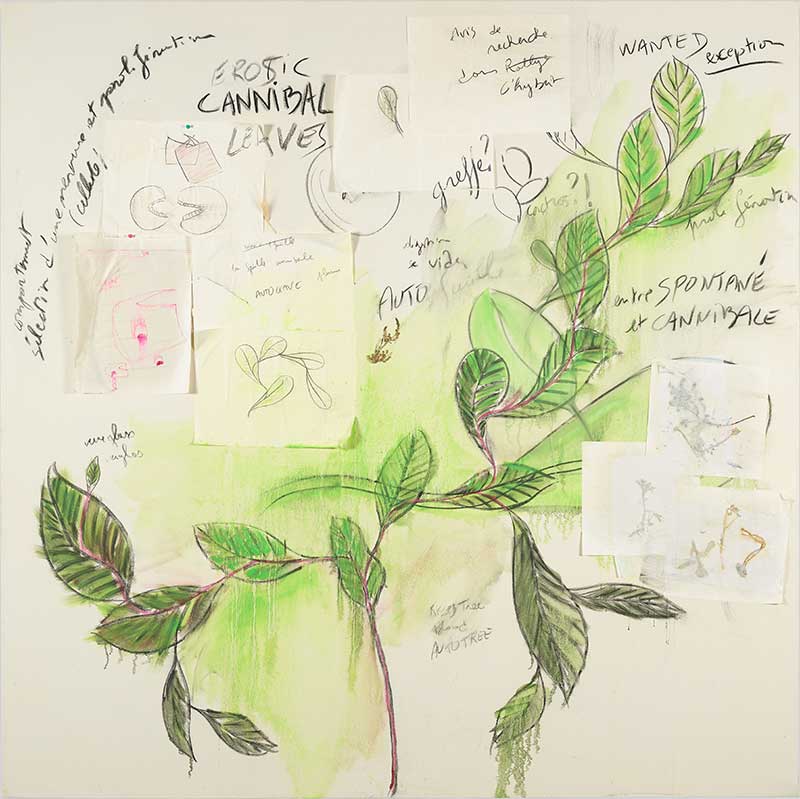
Fabrice Hyber, Erotic Cannibal Leaves, 2001
Fusain, feutre, pigment, acrylique, pastel, papier collé, végétaux séchés, punaises sur toile, 200 × 200 cm
Sonia Delaunay, Les Montres Zénith, 1914
Papiers de couleur découpés et collés sur papier, 66 × 81,5 cm
©Adagp, Paris, 2025, © Centre Pompidou
© Balthus, © Gilbert & George, © Succession Picasso 2025