“Matisse, 1941–1954”: The Urgency of Reinvention
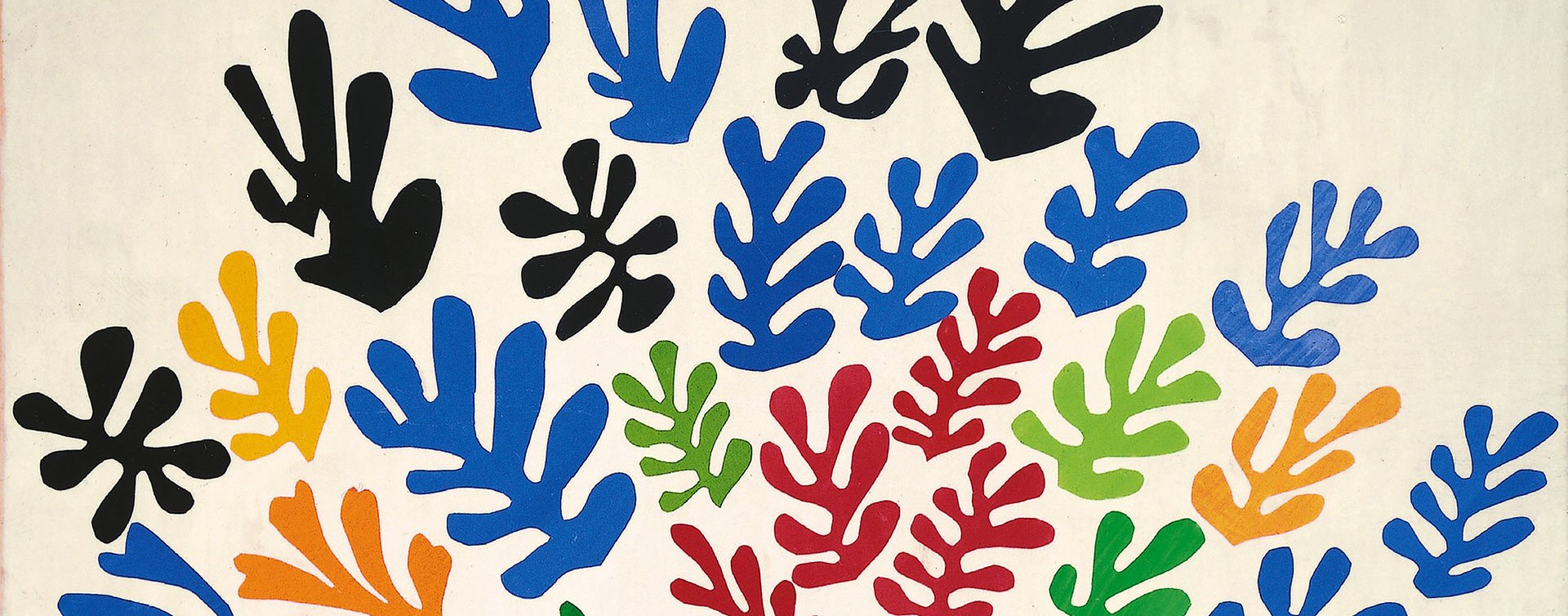
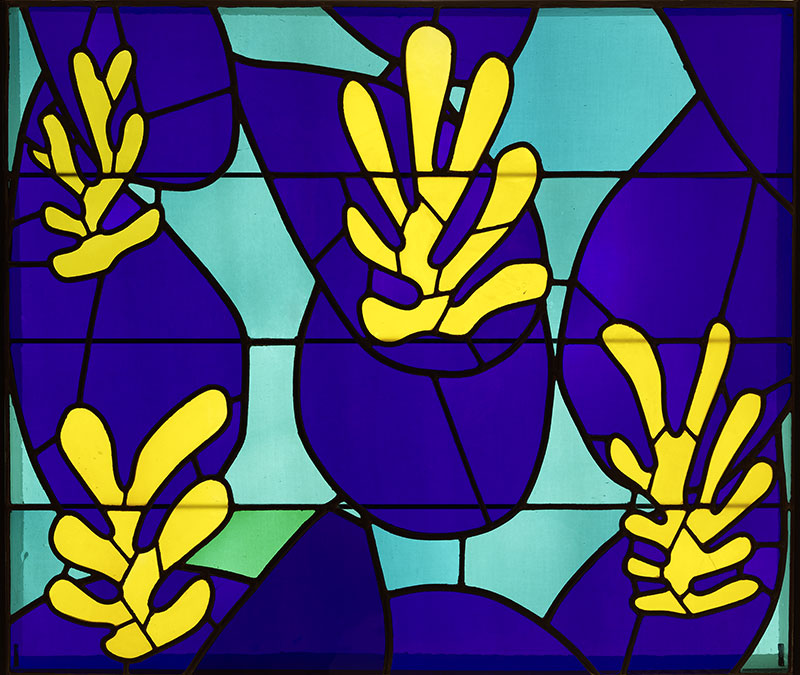
Unprecedented in scale in France, the exhibition “Matisse, 1941–1954” highlights the final years of the artist’s creative output—a period marked by synthesis, radicality and formal invention. It brings together over 300 works that bear witness to Matisse’s extraordinary surge of creativity during this particularly prolific time. At nearly 80 years old, Matisse reinvents himself through the medium of the cut-out gouache, through which he completely renews his visual language and lends a monumental dimension to his art. The exhibition guides visitors through this final major studio of Matisse, presenting paintings, series of drawings, illustrated books, cut-outs, textiles and even stained glass, all variations on this ultimate moment of grace.
At nearly 80 years old, Matisse reinvents himself through the medium of the cut-out gouache, through which he completely renews his visual language and lends a monumental dimension to his art.
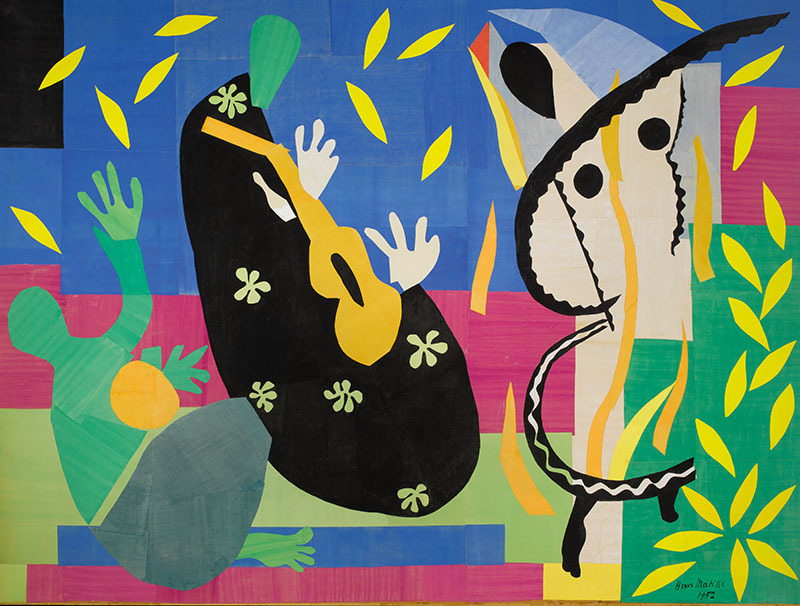
Bringing together more than 300 works, many of which have never before been shown in France, the exhibition achieves the remarkable feat of presenting rarely seen ensembles. Complementing the Centre Pompidou’s rich collection, the works come from private collections and major national and international institutions, including the Hammer Museum, MoMA, the National Gallery of Art in Washington, the Barnes Foundation, the Fondation Beyeler and the Solow Foundation. Key bodies of work from this period are on display: the masterful and final series of the Vence Interiors (1946–1948), the Jazz album and its maquette, the Dessins. Thèmes et variations series, brush and ink drawings, major elements from the Vence Chapel programme, as well as monumental panels such as La Gerbe, Les Acanthes, L’Escargot and Mémoire d’Océanie. Also exceptionally brought together are large-scale cut-out figures such as La Tristesse du roi, Zulma, La Danseuse créole and the Nus bleus series.
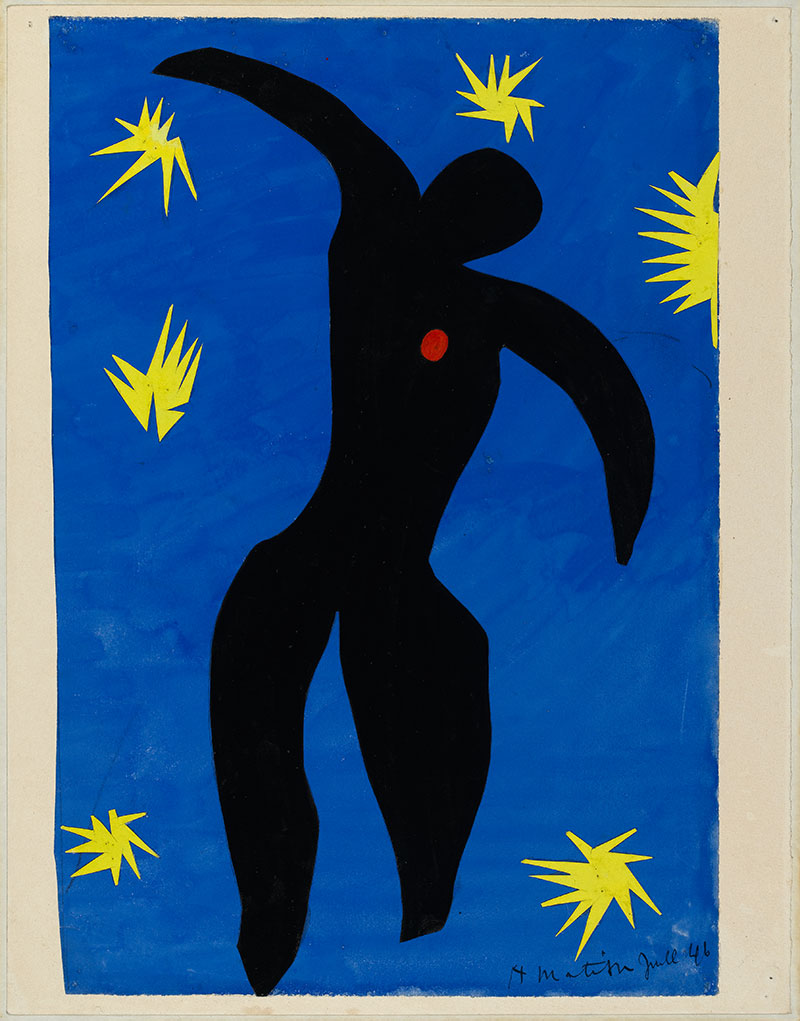
- icare (copie 1)
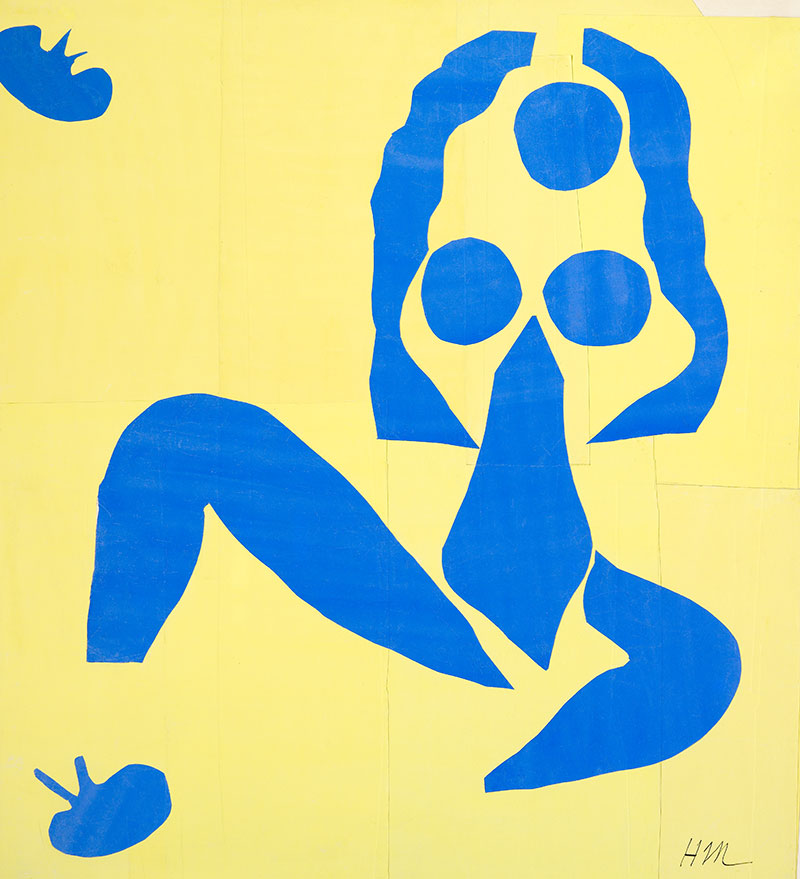
- grenouille (copie 1)
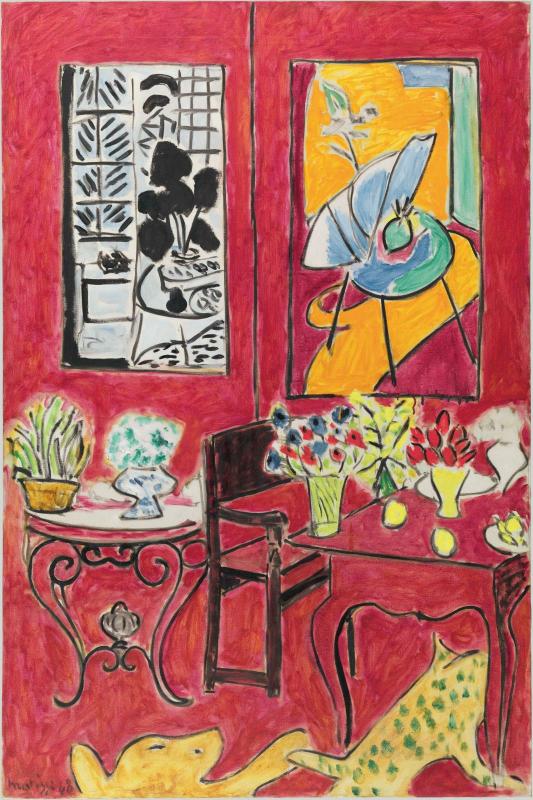
- grand intérieur rouge
- arbre vie (copie 1)
- tristesse (copie 1)
The exhibition follows in the tradition of major showcases dedicated to the artist by the Centre Pompidou, echoing the 1993 exhibition “Matisse 1904–1917.” Unlike “Henri Matisse: The Cut-Outs” (Tate and MoMA, 2014), which focused exclusively on the cut-outs, this exhibition reveals the multidisciplinary scope of his practice during this period. Never before had the artist been so prolific across such a variety of techniques and mediums, as evidenced by the paintings, cut-outs, drawings, illustrated books, textiles and stained glass works brought together in the Grand Palais exhibition. This final period of creation is marked by an increasing symbiosis between the artwork and the studio space.
Never before had the artist been so prolific across such a variety of techniques and mediums, as evidenced by the paintings, cut-outs, drawings, illustrated books, textiles and stained glass works brought together in the Grand Palais exhibition.
Created directly on the walls of his apartment at the Régina hotel in Nice and inherently mobile, the works contribute to a dynamic vegetalisation of the spatial environment. The exhibition seeks to recreate this ever-evolving in situ experience, offering visitors access to Matisse’s “garden” through a space that expands from room to room. The historical context of the war and postwar period is also recalled, as Henri Matisse emerges both in France and across the Atlantic as a symbol of freedom. ◼
Related articles
In the calendar
Henri Matisse, La Gerbe (1953), détail
Papiers gouachés, découpés et collés, 311 x 350 cm,
Hammer Museum, Los Angeles © 2025 Museum Associates / LACMA.
Licenciée par Dist. GrandPalaisRmn / image LACMA
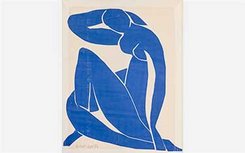
Henri Matisse, Nu bleu, la grenouille, 1952
Papiers gouachés, découpés et collés sur papier marouflé sur toile, 141 x 134,5 cm, Fondation Beyeler, Riehen/Bâle
Photo © Fondation Beyeler, Riehen/Basel, collection Beyeler / Photo Robert Bayer
Henri Matisse, La Tristesse du roi, 1952
Papiers gouachés découpés marouflés sur toile, 292 x 386 cm
Photo © Centre Pompidou, MNAM-CCI/Philippe Migeat/Dist. GrandPalaisRmn
Henri Matisse, La Chute d'Icare, 1943
Papiers gouachés, découpés et épinglés, 36 x 26,5 cm
Collection privée, courtesy Galerie de l'Institut
Henri Matisse, Intérieur rouge, nature morte sur table bleue, 1947
Huile sur toile, 116 x 89 cm,
Kunstsammlung Nordrhein-Westfalen, Düsseldorf
Photo © BPK, Berlin, Dist. GrandPalaisRmn / Walter Klein
Henri Matisse, Essai pour le panneau inférieur droit de L’Arbre de vie, 1950
fabriqué par l’atelier Bony, vitrail, verre coloré, transparent et dépoli, serti de plomb, 78,5 x 91,2 cm
Musée Matisse Nice
Photo © François Fernandez