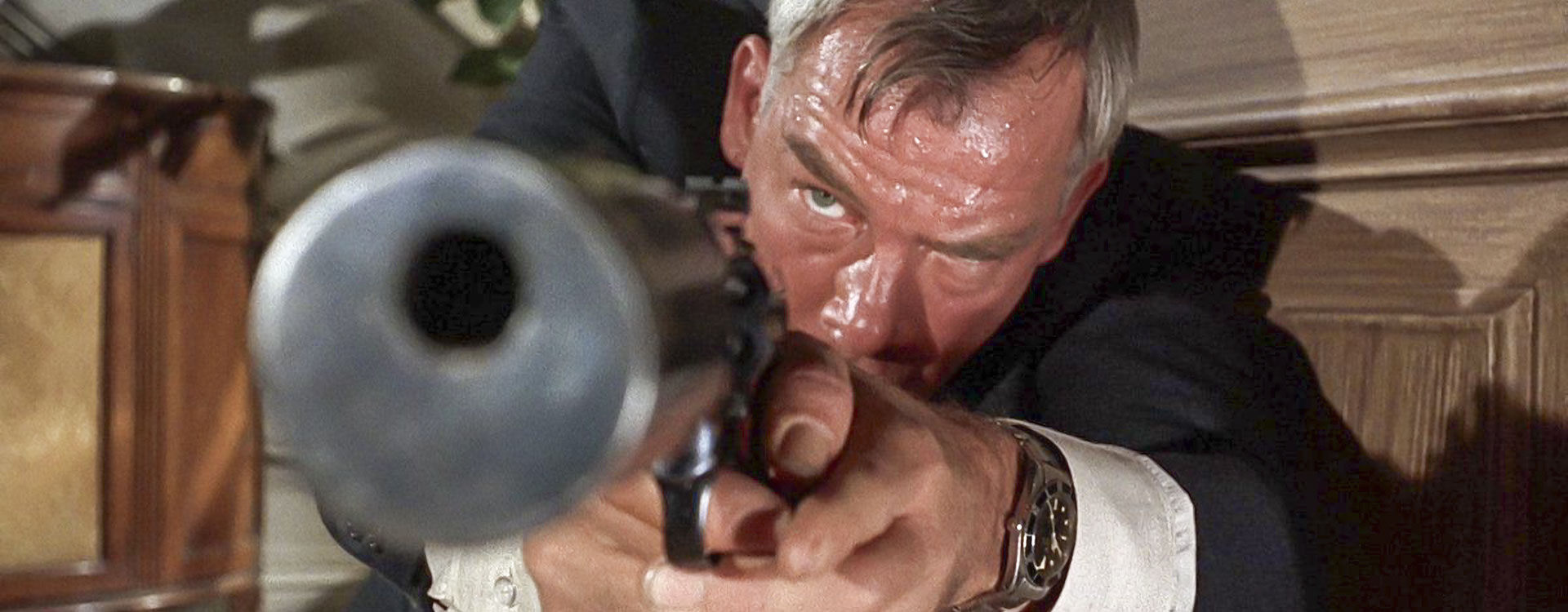
“On Violence in America”: Mirrors of a Nation in Cinema
Presented at the MK2 Bibliothèque × Centre Pompidou, the film series On Violence in America weaves together screenings, discussions and debates centred on the theme of violence and its representations in American society. Echoing the political essay Democracy in America (1835) by philosopher Alexis de Tocqueville, the series finds its roots in Violent America (1971), a work by British art historian Lawrence Alloway (1926–1990). As the United States prepares to mark the first year of Donald Trump's presidency, this rereading acquires a disturbingly timely relevance.
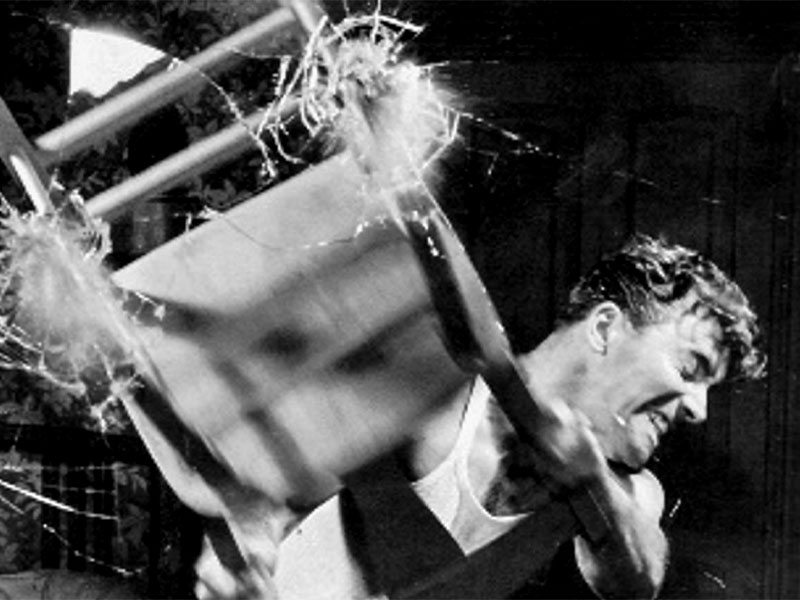
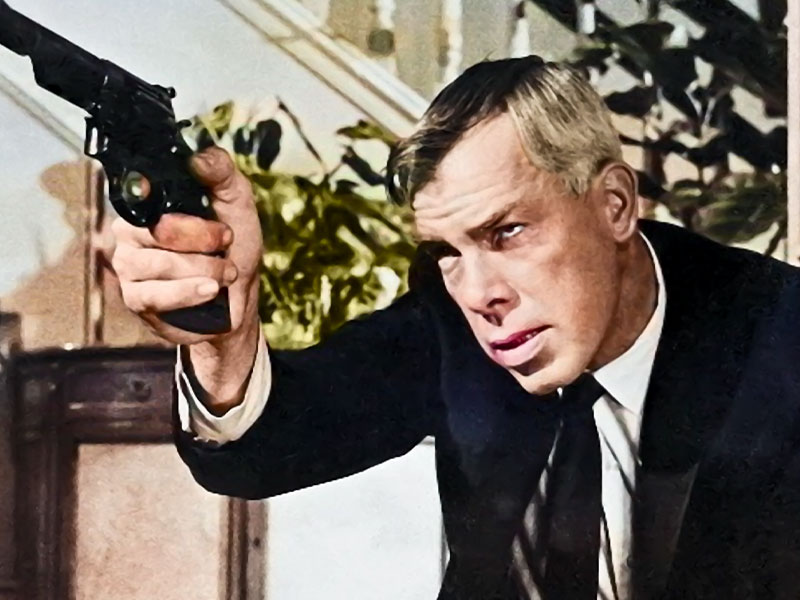
Alloway does not seek to denounce violence, but to understand it: he argues that it is neither an excess nor a deviation, but one of the founding principles of the American nation. Like the master of Pop Art, Andy Warhol—who, a few years earlier, had begun his Death and Disasters series—Alloway sees in the images of war and death portrayed in action films the dark underside of a social order built not on law, but on the exercise of force.
Alloway does not seek to denounce violence, but to understand it: he argues that it is neither an excess nor a deviation, but one of the founding principles of the American nation.
Revisiting his way of thinking about images today—at a time when the rhetoric of power and a renewed fascination with weapons pervade public discourse—offers an opportunity to examine, through the lens of the past, the enduring death drive carried by cinematic imagery. Between history and current events, this investigation into violence in America through its films serves as a critical tool—a mirror held up to an America that, from Harry Truman to Donald Trump, has never ceased to stage its own virile and deadly mythology.
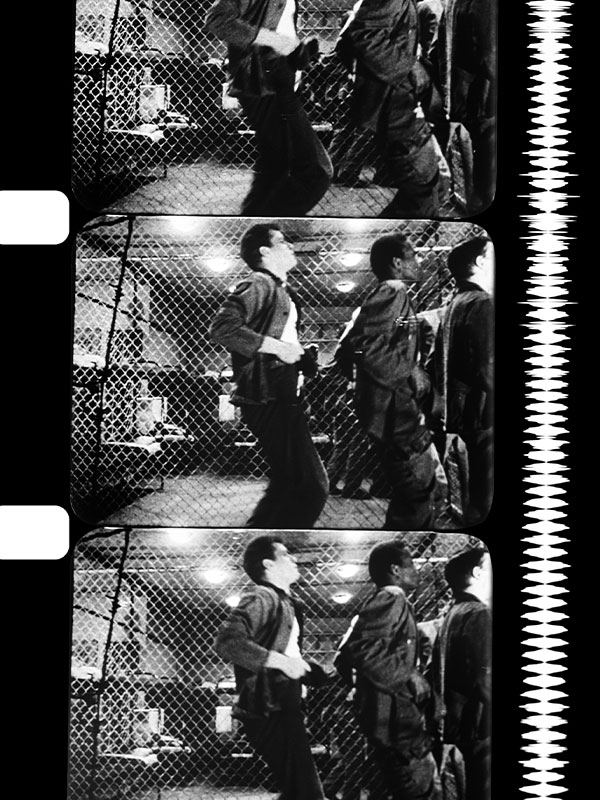
This series offers a unique and intersecting perspective between the Hollywood classicism that captivated the art historian and the underground and experimental film production—preserved in the Centre Pompidou’s collection—which addressed violence in America outside the narrative conventions imposed by the studios. The films of Jack Smith, Bruce Conner, Maya Deren, Claes Oldenburg, Stan Vanderbeek, and other experimental figures enter into dialogue with Alloway’s reflections on mass culture and the representation of violence.
This series offers a unique and intersecting perspective between the Hollywood classicism that captivated the art historian and the underground and experimental film production.
Filmmaker Ken Jacobs holds a particularly special place within this program. Recently deceased, he left behind a deeply personal essay on the United States: *Star Spangled to Death*, a cinematic fresco begun in the 1950s and completed in digital format in the early 2000s. ◼
Related articles
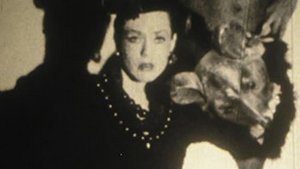

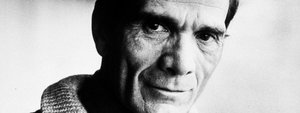
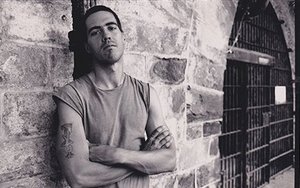
In the calendar
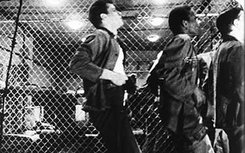
En bandeau : Don Siegel, À bout portant, 1964, 35 mm (DCP), coul., son, 95 min, vostf
© Park Circus
© Splendor Films, © Centre Pompidou