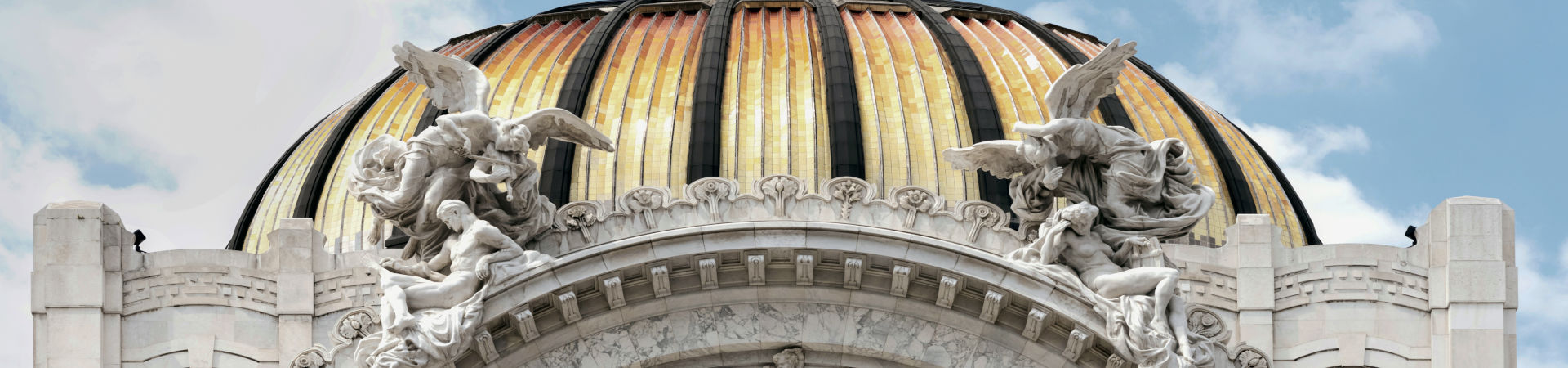
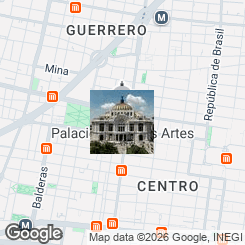
Museo del Palacio de Bellas Artes
Mexico
11am–6pm, Tuesday to Sunday
Closed on Mondays
Av. Juárez y Eje Central Lázaro Cárdenas
Centro histórico, Cuauhtémoc
06050 Mexico
As part of the Constellation programme, which will unfold throughout the renovation of the iconic Parisian institution, and to mark the bicentenary of diplomatic relations between Mexico and France, Centre Pompidou is joining forces with the Museo del Palacio de Bellas Artes to highlight the pivotal role played by Latin American artists, and by those who lived and worked between France and Latin America, in the emergence and development of a contemporary art that moved beyond two-dimensionality towards a dynamic, sensory and participatory aesthetic experience.
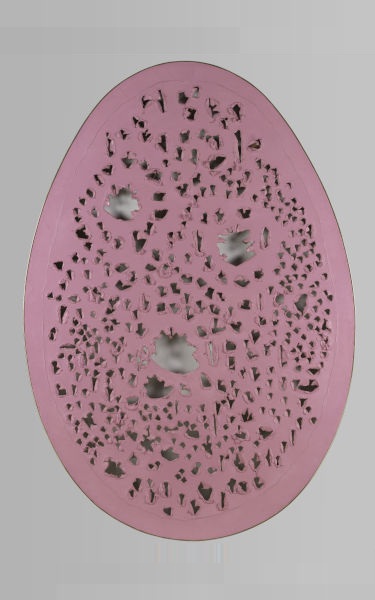
© Fondation Lucio Fontana, Milano / by SIAE / Adagp, Paris. Photo : Centre Pompidou, MNAM-CCI/Audrey Laurans/Dist. GrandPalaisRmn
Coming soon
The Forms of Energy
Emblematic Works from Centre Pompidou
13 November 2026 – 27 February 2027
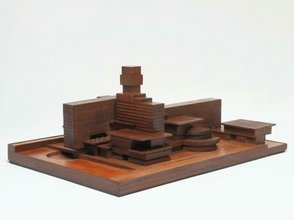
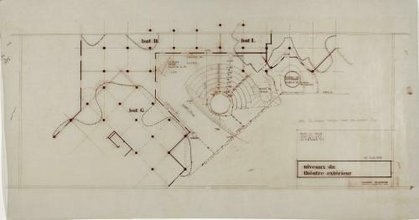
Bringing together a selection of emblematic works from the Centre Pompidou collection, The Forms of Energy highlights the profound transformations of artistic creation through light, color, matter, movement, and mechanical devices, as artworks transcend two-dimensionality to become dynamic, sensory, and participatory experiences. From the new ways of representing movement pioneered by the historical avant-gardes to kinetic art, Op Art, and Nouveau Réalisme, these works redefine the relationships between body, space, and time, inviting visitors to engage in an active and constantly evolving experience.
Presented as part of the bicentenary of diplomatic relations between Mexico and France, the exhibition places particular emphasis on Latin American artists and those whose lives and careers spanned France and South America, highlighting their pivotal role in the development of kinetic art and Op Art in particular.
| An exhibition Museo del Palacio de Bellas Artes x Centre Pompidou


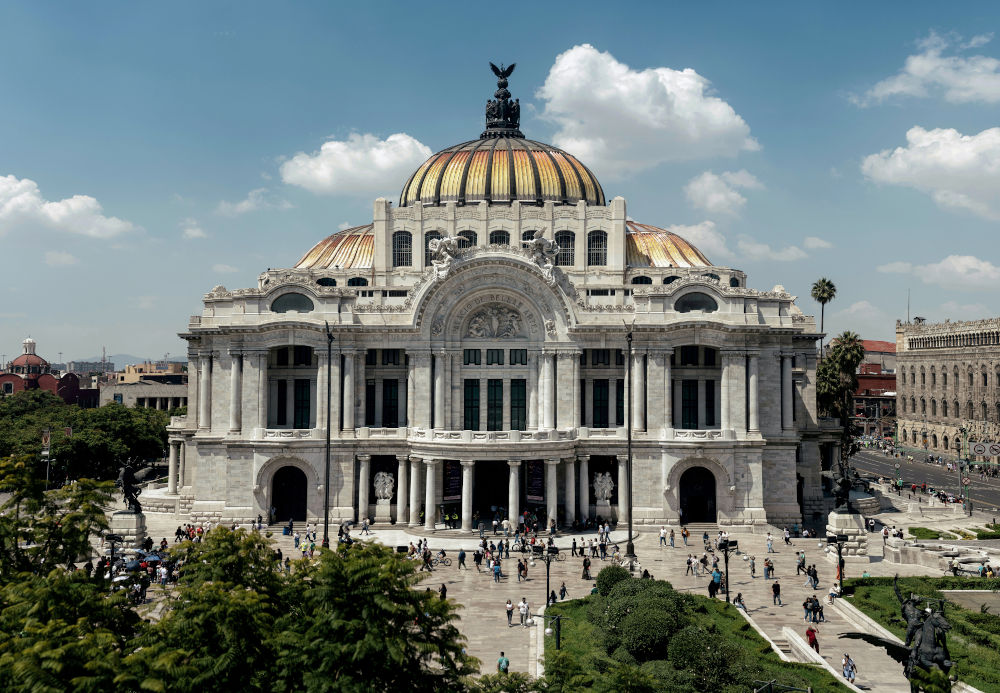
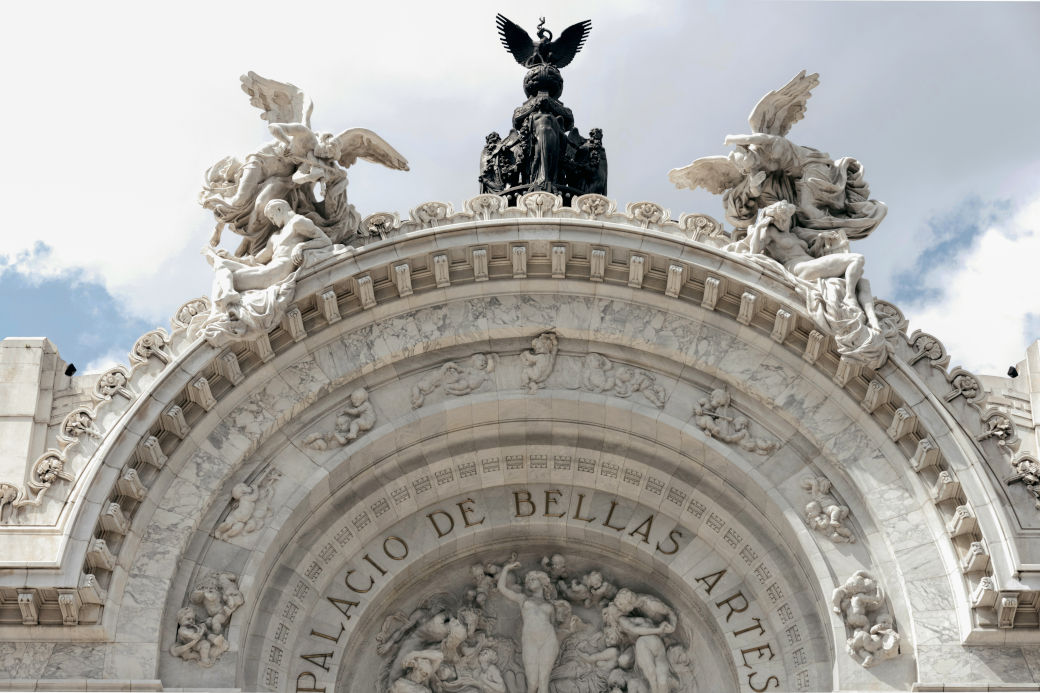
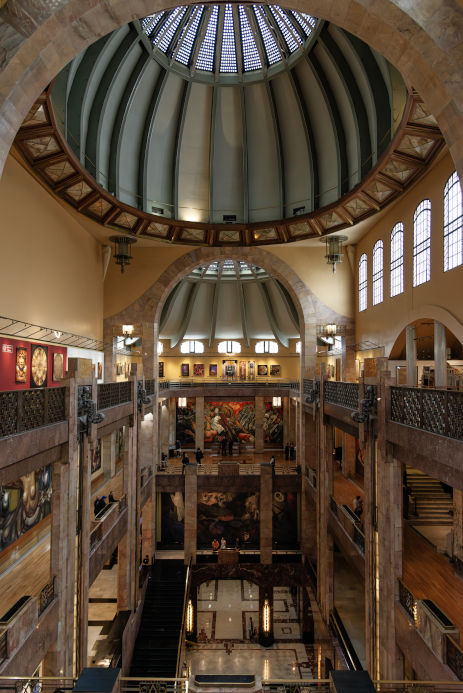
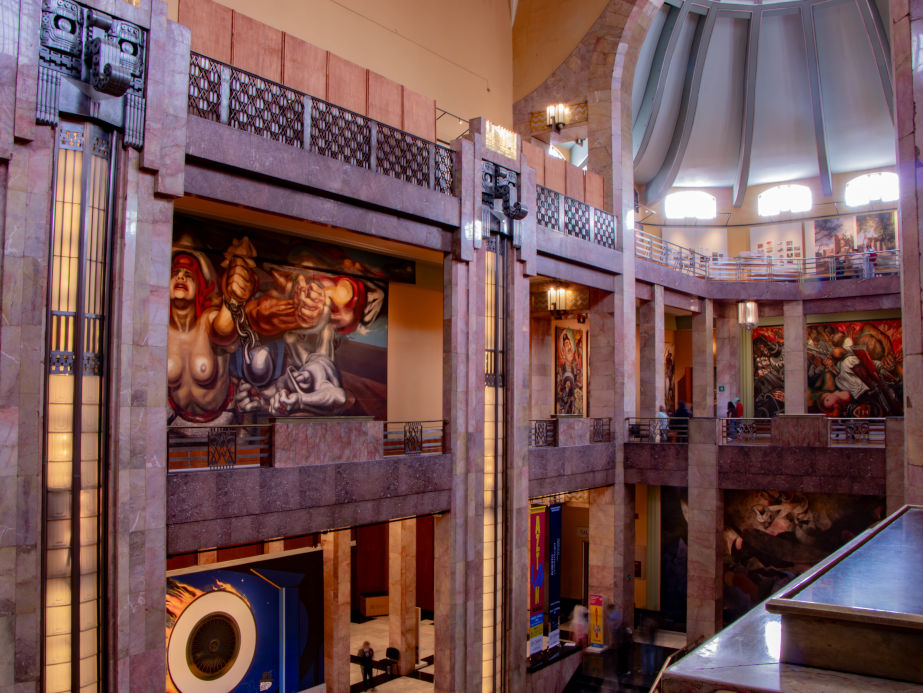
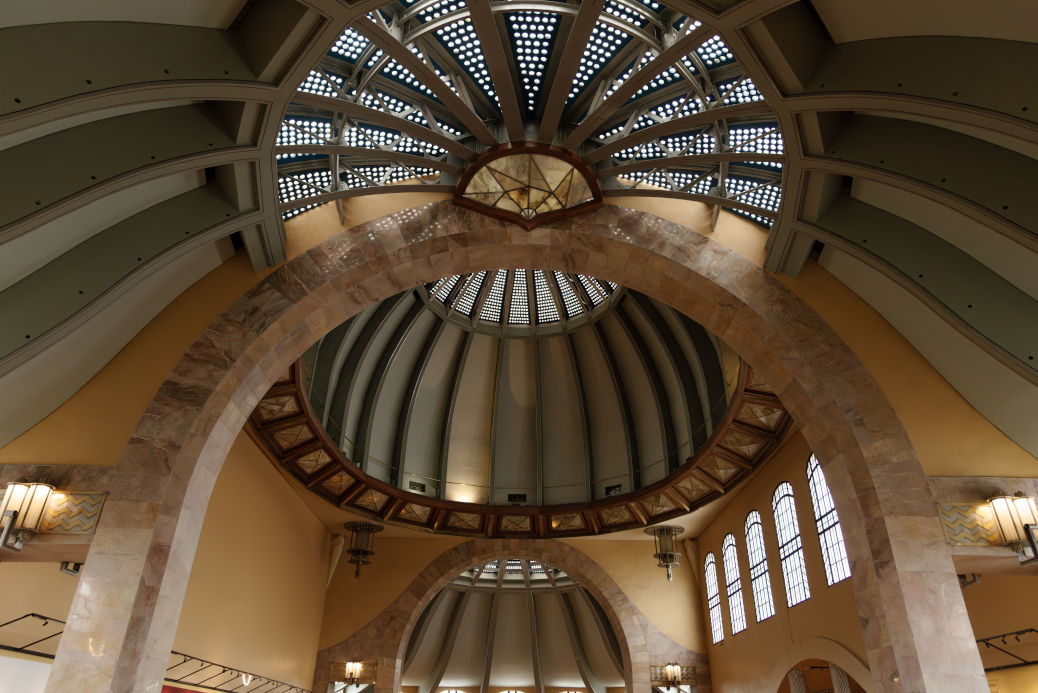
The Museo del Palacio de Bellas Artes traces its origins to the Museo de Artes Plásticas, inaugurated on November 29, 1934, as Mexico’s first art museum. Its initial project focused on Spanish and New Spanish painting and sculpture, as well as Mexican art from the nineteenth century and the first decades of the twentieth century.
In 1947, following the establishment of the Instituto Nacional de Bellas Artes, the museum project was redefined by museographer and cultural promoter Fernando Gamboa and painters Julio Castellanos and Julio Prieto. Under the name Museo Nacional de Artes Plásticas, it incorporated educational programs and an extensive publishing program devoted to the dissemination of Mexico’s artistic heritage. In 1958, it was reconfigured as the Museo Nacional Moderno, with the aim of strengthening Mexico’s role as a center for the dissemination of art in Latin America.
From 1968 onward, its exhibition galleries adopted the name Museo del Palacio de Bellas Artes. The collections assembled by the museum subsequently contributed to the formation of other national museums, including the Museo de Arte Moderno, the Pinacoteca Virreinal, the Museo Nacional de San Carlos, and the Museo Nacional de Arte. Since then, the museum has established itself as one of Mexico’s leading venues for presenting national and international artists through its temporary exhibitions.
Today, the museum permanently displays 18 murals created by seven Mexican artists between 1928 and 1963. In 2024, a mural by artist Rina Lazo was incorporated into the permanent collection. The museum maintains an extensive program of temporary exhibitions and activities for diverse audiences, as well as a publishing program dedicated to research and the dissemination of national and international art.